

Practical Measures for Homes and Food Businesses
Households and companies lose food for different reasons, so the solutions differ in scale. Both benefit from the same principle: buy or order close to real needs, store correctly, and use what has already been bought before it spoils.
Planning, Storage and Everyday Habits at Home
Most domestic losses come from buying more than a household can eat and from forgetting what is already in the fridge. A short check of existing supplies before shopping prevents duplicate purchases. Storage matters just as much, since correct temperature and sealed containers extend the life of fresh produce, dairy and cooked dishes. Several routines repeated every week reduce food waste far more effectively than occasional clear-outs of the fridge.
- A weekly meal plan limits impulse purchases and keeps portions realistic.
- Date labels deserve attention, because best before marks quality while use by marks safety.
- Freezing bread, herbs and cooked meals stops spoilage when plans change.
- Leftovers kept in clear containers at eye level are more likely to be eaten.
Inventory, Forecasting and Surplus Management in Food Businesses
Commercial kitchens, retailers and caterers lose food at predictable points: over-ordering, poor stock rotation, oversized portions and unsold prepared items. Accurate records of what sells, and when, allow orders to match real demand instead of habit. Stock rotation keeps older items in front, so they leave the shelf first. Spoilage records show where losses concentrate and usually point to one product or process. Portion sizes tested against returned plates help kitchens serve amounts guests actually finish. Clear written procedures for storage and preparation keep standards steady across shifts. Among the most effective ways to reduce food waste, redistribution stands out: surplus that remains safe to eat can go to staff meals, discounted sales or charitable food recovery programmes.
Handling Food Waste That Cannot Be Avoided
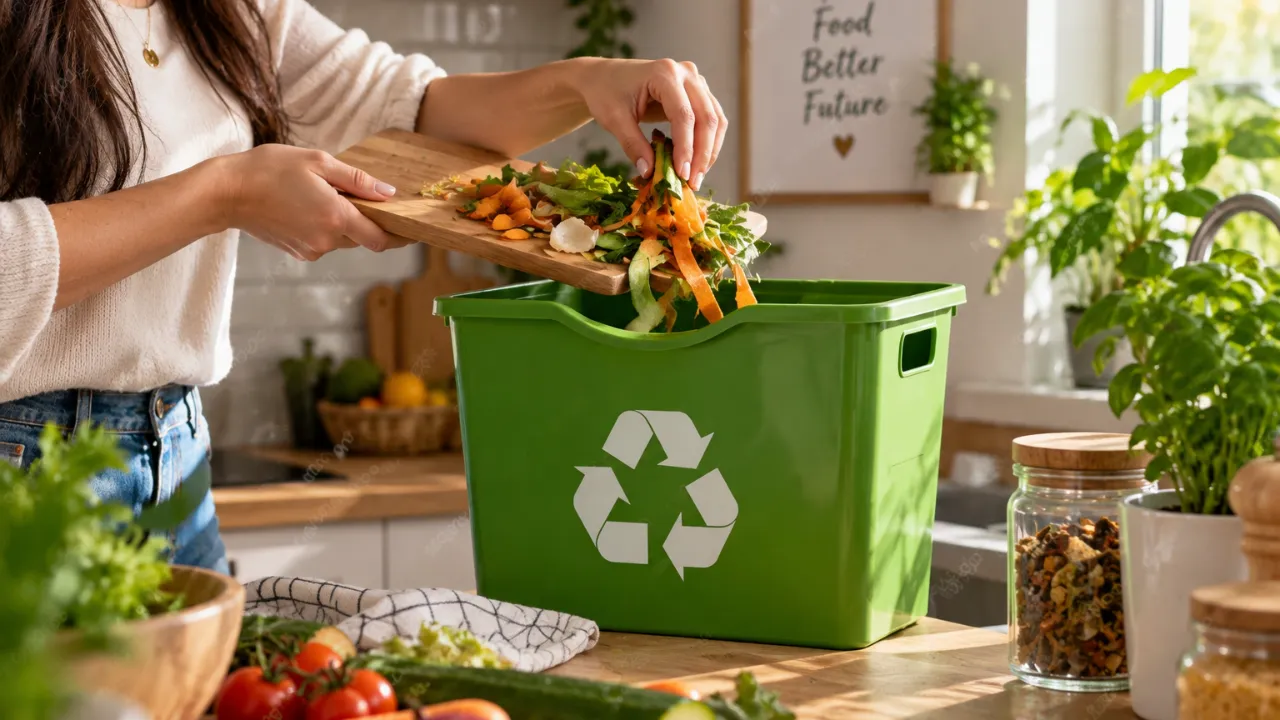
Some organic material remains unavoidable, including peelings, bones, coffee grounds and trimmings from preparation. Consistent effort at reducing food waste still leaves these scraps behind, and their destination determines the final environmental cost. Composting returns nutrients to soil, at home or through municipal collection. Larger volumes can be treated in facilities that recover energy and nutrients from organic material. Separate collection is the practical condition for any of these routes, because mixed bins send usable material to landfill.
Prevention and recovery work together, with prevention as the first priority. Households gain the fastest results from planning and storage, while businesses depend on measurement and consistent procedures. Progress in food waste reduction comes from small routines applied steadily rather than from single large changes. Every kilogram kept out of the bin protects the resources already invested in that food.

Leon Fischer
Author at Bin Grid
Leon Fischer is responsible for the website's overall content strategy and editorial standards.

Mateo Rossi
Editor at Bin Grid
Mateo Rossi oversees the preparation and refinement of articles before publication.